


Regeneration of Horizontal Bone Defect in Edentulous Maxilla Using the Allogenic Bone-Plate Shell Technique and a Composite Bone Graft – A Case Report
Kovac Z, Cabov T, Blaskovic M, Morelato L. Medicina (Kaunas). 2023 Mar 2;59(3):494.
https://pubmed.ncbi.nlm.nih.gov/36984495/
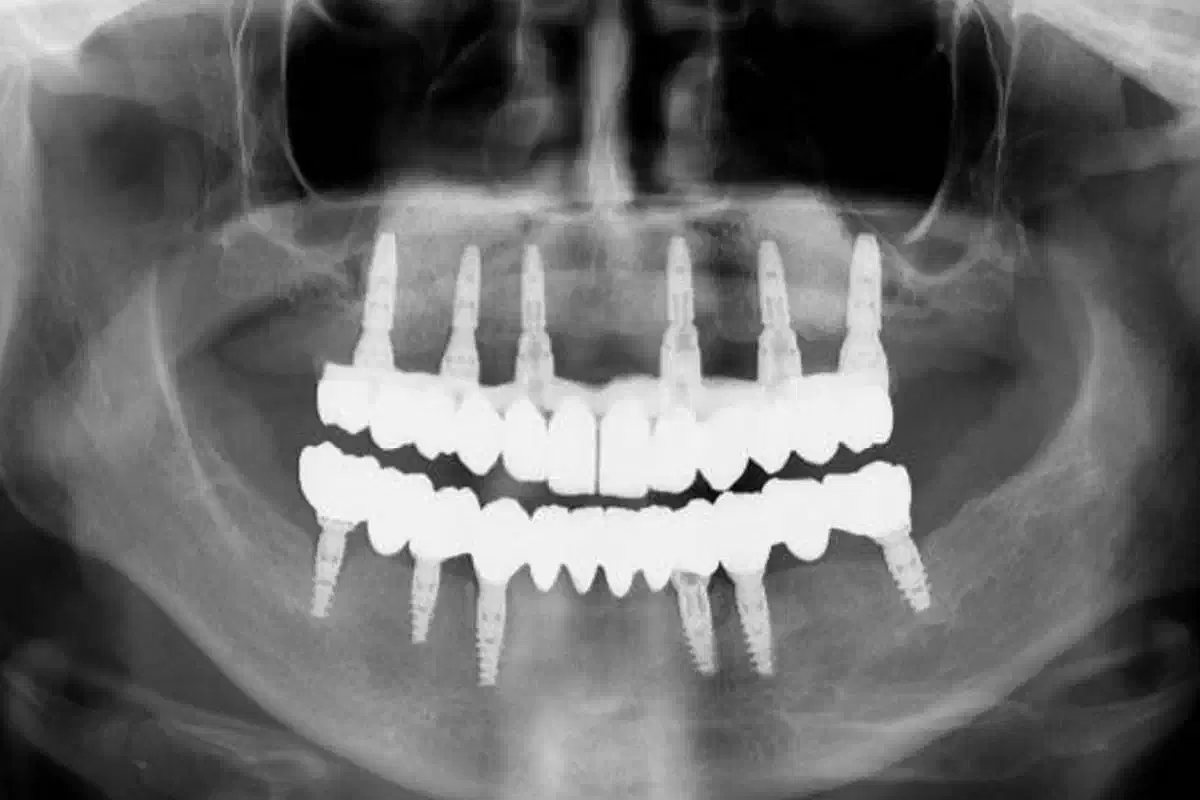
This case report aimed to clinically and radiographically evaluate the efficacy of maxgraft® cortico combined with a composite bone graft (autologous bone/cerabone®) in the augmentation of a horizontal bone defect in the edentulous maxilla during a 6-year follow-up period.
Background and Objectives
The shell technique has become a widespread and important method for guided bone regeneration in dentistry. Allogeneic bone materials appear to be the most similar substitution for autogenous bone transplants. However, there are few studies using cortical bone allografts in combination with a mix of autogenous and xenograft materials for the augmentation of horizontal ridge defects. This combination offers the advantage of reduced patient morbidity while adding adequate volume and contour to the alveolar ridge.
Material & Methods:
The present case study aimed to clinically and radiographically evaluate the efficacy of allogenic cortical bone lamina (maxgraft® cortico) combined with a composite bone graft (50:50 mix of autologous bone and cerabone®) in the augmentation of a horizontal bone defect in the edentulous maxilla during a 6-year follow-up period. Three CBCT scans taken before treatment, 6 months after the augmentation period/before implant placement, and after a 6-year follow-up period, were analyzed using stable referent points.
Results
After the 6 -year follow-up period, the average resorption rate was 21.65% on the augmented buccal side, with no implant exposure being observed.
Conclusions
The bone shell technique used in conjunction with allogenic bone plates combined with autogenous bone, xenografts, and collagen membranes (Jason® membrane) is an effective technique to manage horizontal ridge defects. Our study showed a 6-year follow-up period and a resorption rate of 21.4%, which is similar to that of autogenous block transplants.